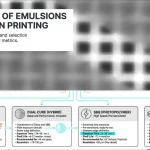
Selection of emulsions for screen printing
Choosing the right emulsion is one of the most decisive factors in screen printing quality.

Choosing the right emulsion is one of the most decisive factors in screen printing quality.
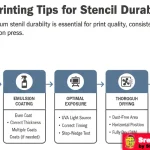
Achieving maximum stencil durability is essential for print quality, consistency, and reducing costly downtime on press.

Coating a mesh with emulsion is one of the most important steps in screen printing. A properly coated screen determines how well your stencil holds up, how sharp your artwork prints, and how efficiently your ink is transferred. In short: great coating = great prints.
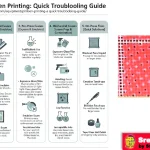
Pinholes — also called micro-holes, print voids, or tiny print defects — are among the most persistent and frustrating problems in screen printing. These microscopic imperfections appear when small openings in the emulsion allow unwanted ink to pass through, creating specks or “freckles” in the print.
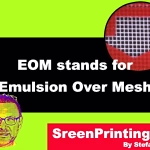
It is a measurement of how far an emulsion coating extends beyond the threads of a mesh screen in screen printing.

Here are the benefits of using a pressure washer when developing stencils, especially for those that need to print halftones and fine details:
Understanding the different types of emulsions used in screen printing—Diazo, Dual-Cure, and SBQ Photopolymer—can significantly impact your results. Each type offers unique benefits and features, influencing exposure times, light source requirements, and image detail quality. This guide will help you choose the right emulsion for your screen printing needs, supported by original insights, expert interviews, and practical examples.
Master screen coating for flawless prints! Our guide covers techniques, tools, ideal conditions, and troubleshooting for perfect coatings.

Learn how to reclaim underexposed screen prints with tips on exposure, cleaning, and maintaining screen quality.